Important Note:
This page provides educational context about historical practices and cultural traditions. It does not make religious rulings or claim to represent all Islamic perspectives. For specific religious guidance, please consult qualified scholars.
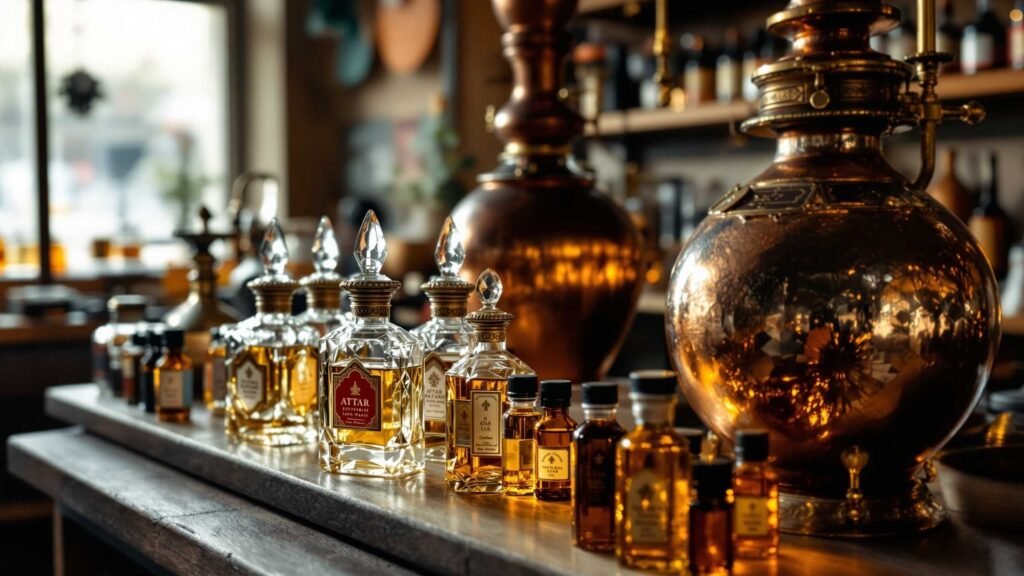
In Islamic tradition, cleanliness and pleasant appearance hold significant value. These principles extend beyond physical hygiene to include wearing clean clothes, maintaining good grooming, and using pleasant fragrances. This emphasis on cleanliness reflects broader values of dignity, respect for others, and self-care.
The use of perfume and fragrance is mentioned in various historical Islamic texts as part of personal grooming and social etiquette. This practice was not limited to special occasions but was encouraged as part of daily life, particularly when attending communal gatherings, prayers, and social interactions.
Understanding this cultural and religious context helps modern users appreciate why alcohol-free perfume oils—like traditional attar—remain popular in Muslim communities worldwide. These fragrances connect contemporary practice with historical tradition in a way that feels authentic and meaningful.
Why This Context Matters
Cultural Understanding
Learning about traditional practices helps you understand why certain fragrances and formats (like alcohol-free attar) are preferred in Muslim communities.
Personal Connection
For Muslims, using attar can feel like connecting with historical practices in a tangible, daily way that enhances spiritual and cultural identity.
Respectful Awareness
Non-Muslim users gain insight into why fragrance choices matter to many customers, fostering cross-cultural understanding and respect.
Mentions of Perfume in the Sunnah
Historical Islamic texts contain numerous references to the use of perfume and fragrance. These mentions appear in collections of hadith (reported sayings and practices) that document various aspects of daily life and social conduct. While interpretations and authenticity assessments vary among scholars, several themes consistently appear across different sources.
It’s reported that perfume was used regularly, not just for special occasions. Various narrations mention the use of specific fragrances like musk, oud (agarwood), and other natural scents. The emphasis was on pleasant, natural fragrances that showed respect for others and maintained personal dignity.
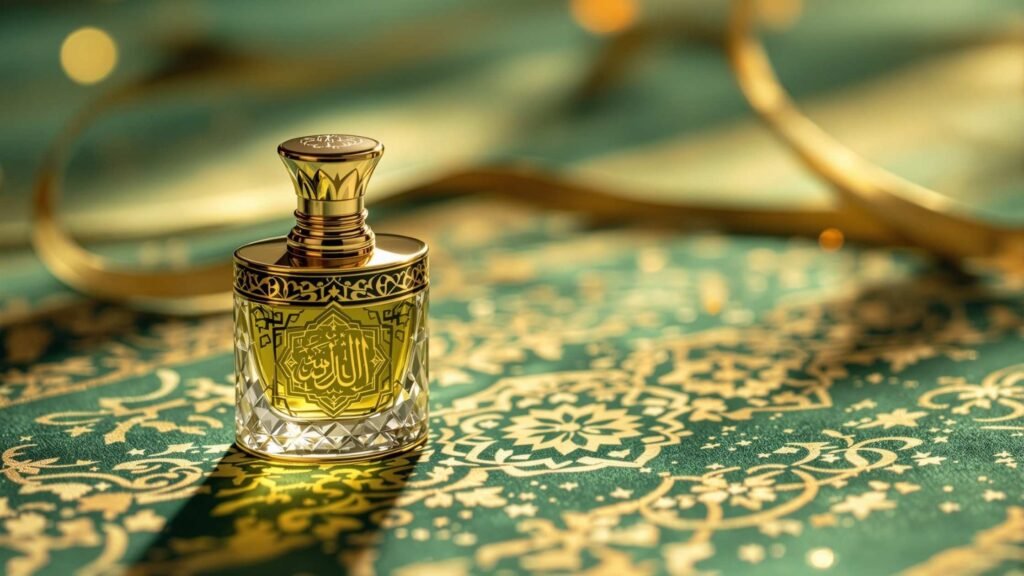
Accepting Perfume
It is reported that refusing offered perfume was discouraged, as fragrance was considered light to carry and pleasant to experience. This reflects values of graciousness and appreciation for kind gestures.
Reference: Sahih Muslim, Book 37
Regular Use
Historical accounts mention that perfume was applied regularly, with family members assisting in application. This indicates that fragrance was part of daily grooming rather than reserved for special occasions.
Reference: Sahih al-Bukhari, Book 72
Personal Preference
Narrations mention that perfume was among the things particularly appreciated and enjoyed. This personal preference elevated fragrance beyond mere hygiene to something valued for its own sake.
Reference: Sunan an-Nasa’i, Book 36
Quality Matters
Reports indicate that the best available perfumes were used, suggesting that quality and pleasant scent were valued. This wasn’t about luxury but about using good products when possible.
Reference: Sahih al-Bukhari, Book 4
Why Perfume Was Appreciated
Understanding why fragrance held importance in Islamic tradition helps contextualize modern attar use. The appreciation for perfume wasn’t about vanity or luxury—it reflected deeper values about dignity, social responsibility, and personal care.
Respect for Others
Wearing pleasant fragrance showed consideration for those around you. In communal settings like prayers, gatherings, and social interactions, good scent demonstrated respect and thoughtfulness toward others who would be in close proximity.
Personal Dignity
Maintaining good appearance and pleasant scent was part of self-respect and dignity. This wasn’t about impressing others but about taking care of oneself and presenting oneself well in daily life.
Cleanliness and Hygiene
In an era before modern hygiene products, natural perfumes served practical purposes alongside aesthetic ones. Pleasant fragrance complemented physical cleanliness and helped maintain freshness throughout the day.
Social Etiquette
Using perfume was part of broader social etiquette that emphasized good manners, pleasant interaction, and consideration in public spaces. It reflected cultural values about how people should conduct themselves in society.
Attar and Alcohol-Free Preference
One reason traditional attar remains popular in Muslim communities is its alcohol-free nature. While scholarly opinions vary on the permissibility of alcohol-based perfumes for external use, alcohol-free options like attar provide a clear, unambiguous choice that avoids any potential concerns.
Historically, the perfumes mentioned in Islamic texts were oil-based, similar to modern attar. These natural perfume oils were made through distillation processes that used oil carriers rather than alcohol. This makes traditional attar a direct continuation of historical fragrance practices.
For many Muslims, choosing alcohol-free attar isn’t just about religious compliance—it’s about connecting with traditional practices in an authentic way. The oil-based format, natural ingredients, and production methods mirror those used historically, creating a tangible link to the past.
Understanding Alcohol-Free Attar
Traditional attar is made by distilling botanical materials (flowers, woods, resins) into natural oil bases like sandalwood oil. This process creates concentrated perfume oils without any alcohol content. The result is a fragrance that’s:
- 100% alcohol-free by nature of the production process
- Made using methods similar to historical practices
- Gentle on skin and suitable for daily use
- Long-lasting due to oil-based composition
To learn more about verifying alcohol-free status and understanding what makes attar genuinely alcohol-free, read our detailed guide: Is Attar Alcohol-Free?
Attar in Daily Life, Prayer, and Gatherings
In contemporary Muslim communities, attar continues to be used in various contexts that reflect traditional practices. Understanding these uses helps explain why alcohol-free perfume oils remain culturally significant and practically relevant.
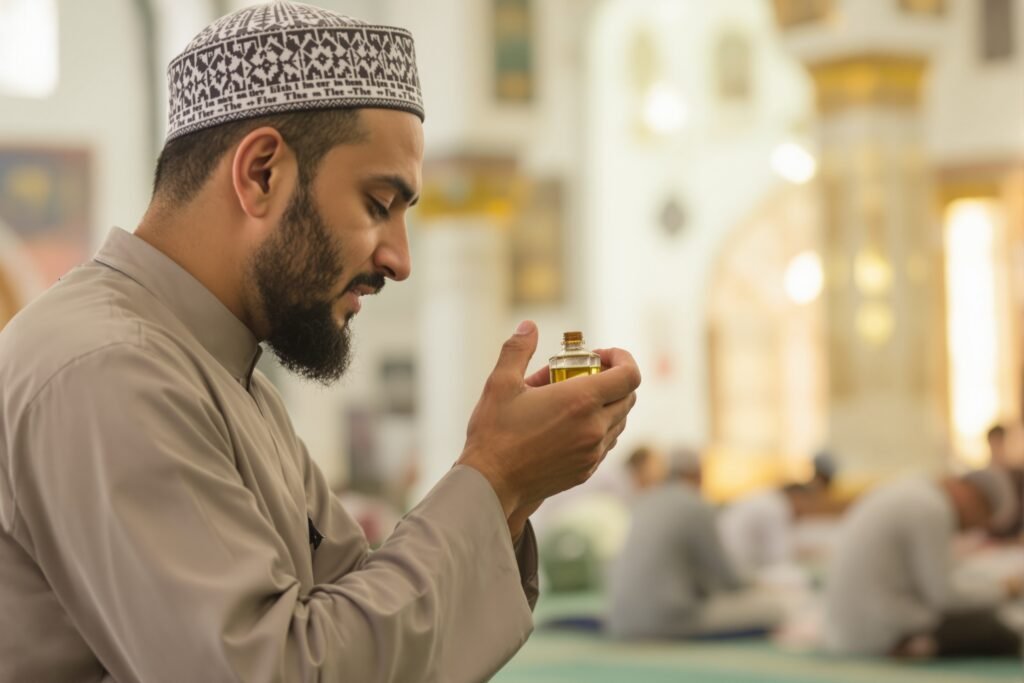
Friday Prayer (Jummah)
Many Muslims apply attar before attending Friday congregational prayer. This practice reflects reported traditions about wearing perfume for communal worship. The emphasis is on cleanliness and pleasant appearance when gathering for prayer.
Daily Prayers
While not required, some Muslims wear attar for daily prayers as well, particularly when praying in congregation at the mosque. This extends the principle of presenting oneself well when standing in prayer.
Social Gatherings
Attar is commonly worn for social occasions, family gatherings, and community events. This reflects the traditional emphasis on pleasant appearance and consideration for others in social settings.
Daily Personal Use
Many people incorporate attar into their daily grooming routine, applying it each morning as part of getting ready. This aligns with reports of regular perfume use as part of everyday life rather than special occasions only.
Choosing Attar for Jummah
If you’re interested in wearing attar for Friday prayer or other occasions, certain fragrances are particularly popular in Muslim communities. These tend to be:
- Musk-based attars: Soft, clean, universally pleasant
- Oud attars: Traditional, woody, long-lasting
- Sandalwood attars: Gentle, calming, appropriate for prayer
- Rose attars: Fresh, floral, culturally familiar
For specific recommendations and guidance on choosing appropriate fragrances, see our guide: Best Attar for Jummah
Cultural Traditions Across Regions
The use of attar and perfume oils varies across different Muslim communities worldwide, reflecting local customs, available materials, and cultural preferences. Understanding this diversity shows how traditional practices adapt to different contexts while maintaining core principles.
India and South Asia
India has a centuries-old tradition of attar production, particularly in cities like Kannauj. Rose attar (gulab ittar), sandalwood (chandan), and various floral attars are deeply embedded in cultural practices. Attar is used for daily wear, religious occasions, and as gifts during festivals and celebrations.
Middle East and Gulf Countries
Oud-based attars are particularly popular in Gulf countries, where agarwood has historical and cultural significance. Musk, amber, and complex blends are commonly used. Perfume oils are often applied generously and are an important part of hospitality and social customs.
Southeast Asia
In countries like Malaysia and Indonesia, attar use blends Islamic tradition with local customs. Lighter, floral attars are often preferred due to tropical climates. Attar is commonly used for Friday prayers and religious celebrations like Eid.
Western Muslim Communities
Muslims in Western countries often use attar as a way to maintain cultural and religious connections. The alcohol-free nature makes it particularly appealing for those seeking clear halal options. Online availability has made traditional attars more accessible to diaspora communities.
Common Misunderstandings
Several misconceptions exist about perfume use in Islamic tradition. Clarifying these helps both Muslims and non-Muslims understand the actual practices and principles involved.
Misunderstanding: Wearing perfume is religiously required
Clarification: Wearing perfume is encouraged and appreciated but not obligatory. It’s part of recommended practices (mustahabb) for cleanliness and good appearance, particularly for communal prayers and gatherings, but it’s not a religious requirement.
Misunderstanding: Only specific fragrances are acceptable
Clarification: While certain fragrances like musk and oud are mentioned in historical texts, there’s no restriction to specific scents. The emphasis is on pleasant, clean fragrance that’s appropriate for the setting. Personal preference plays a significant role.
Misunderstanding: All alcohol-based perfumes are prohibited
Clarification: Scholarly opinions vary on alcohol-based perfumes for external use. Some scholars permit them, others advise caution. Alcohol-free attar provides a clear option that avoids this debate entirely, which is why many Muslims prefer it.
Misunderstanding: Women should not wear perfume at all
Clarification: The guidance is about wearing strong, noticeable perfume in public spaces where it might attract attention. Women are encouraged to wear perfume at home and in private settings. The principle is about modesty in public, not avoiding fragrance entirely.
Misunderstanding: Using perfume guarantees spiritual rewards
Clarification: While following recommended practices is encouraged, wearing perfume alone doesn’t guarantee spiritual benefits. The value comes from the intention, the context (like showing respect for communal prayer), and the broader practice of cleanliness and good character.
How This Knowledge Helps Modern Attar Users
Understanding the cultural and religious context of attar use enriches the experience for both Muslim and non-Muslim users. This knowledge transforms attar from simply a fragrance product into something with deeper meaning and connection.
For Muslim Users
- Connect daily grooming with traditional practices
- Choose alcohol-free options with confidence
- Understand the cultural significance of different scents
- Make informed choices about when and how to wear attar
For All Users
- Appreciate the historical depth of attar tradition
- Understand why certain formats and ingredients matter
- Gain cross-cultural awareness and respect
- Make choices aligned with your values and preferences
Continue Learning About Attar
Halal Attar Verification
Learn how to verify halal compliance, understand certification, and identify permissible ingredients in attar products. Read more.
What is Attar
Complete introduction to attar, its history, production methods, and what makes it different from modern perfumes. Learn basic.
Best Attar for Jummah
Recommended alcohol-free attars for Friday prayers and special occasions, with guidance on appropriate choices. View recommendations.
Islamic Attar Guides
Explore all guides related to attar in Islamic context, including halal verification and cultural practices. Browse guides.
Frequently Asked Questions
🕌Is wearing attar required in Islam?
No, wearing attar or perfume is not religiously required (fard). It’s part of recommended practices (mustahabb), particularly for Friday prayers and communal gatherings. The emphasis is on cleanliness and pleasant appearance, but it’s not obligatory. Many Muslims choose to wear attar as a way to follow traditional practices, but it remains a personal choice.
🌿Why do Muslims prefer alcohol-free attar?
While scholarly opinions vary on alcohol-based perfumes for external use, alcohol-free attar provides a clear, unambiguous choice that avoids any potential concerns. Additionally, traditional attar mirrors the oil-based perfumes mentioned in historical Islamic texts, creating a connection to traditional practices. The alcohol-free nature also makes attar gentle on skin and suitable for daily use.
📿Which attar scents are mentioned in Islamic tradition?
Historical texts mention several fragrances including musk (particularly valued), oud (agarwood), ambergris, and camphor. However, there’s no restriction to these specific scents. The emphasis is on pleasant, clean fragrance appropriate for the setting. Modern Muslims use various attars including rose, sandalwood, and other natural scents based on personal preference and cultural traditions.
👗Can women wear attar in Islam?
Yes, women are encouraged to wear attar, particularly at home and in private settings. The guidance is about avoiding strong, noticeable perfume in public spaces where it might attract attention, which relates to principles of modesty. Women can wear subtle attar in public and are encouraged to wear beautiful fragrances at home for their families. The principle is about appropriate context, not avoiding fragrance entirely.
❓Do I need to follow these practices if I’m not Muslim?
No, these are cultural and religious practices specific to Muslim communities. Non-Muslim users can appreciate attar simply as high-quality, natural perfume oil without any religious context. Understanding the cultural significance can deepen your appreciation for the product and its traditions, but there’s no expectation to follow Islamic practices. Attar is enjoyed by people of all backgrounds for its quality, longevity, and natural ingredients.
🌍Are attar practices the same in all Muslim countries?
No, attar use varies significantly across different Muslim communities based on local customs, available materials, and cultural preferences. For example, oud is particularly popular in Gulf countries, while rose and sandalwood are common in South Asia. The core principles of cleanliness and pleasant fragrance remain consistent, but specific practices, preferred scents, and application methods differ by region and culture.
Explore Attar Guides
Continue learning about alcohol-free perfume oils with our comprehensive educational resources